
REMS Programs Explained: How the FDA Manages High-Risk Medications
January 26, 2026 by Maxwell Harrington
REMS programs are FDA-mandated safety systems for high-risk medications. Learn how they work, who they affect, and why they’re evolving to balance safety with patient access.
Prescriber Education Resources: Essential Guides for Doctors on Generic Medications
January 20, 2026 by Maxwell Harrington
Doctors prescribe generics for 90% of U.S. prescriptions, but many still hesitate due to patient concerns and lack of clear education. Learn how FDA-approved resources help prescribers confidently explain generic equivalence, safety, and cost savings.
H2 Blockers and PPIs: When Combining Acid Medications Does More Harm Than Good
January 17, 2026 by Maxwell Harrington
Combining H2 blockers and PPIs for acid reflux is common - but often unnecessary and risky. Learn why most people don’t benefit, what side effects to watch for, and when this combo might actually help.
Antiviral Medications and CYP3A4/P-glycoprotein Interactions: What You Need to Know
January 15, 2026 by Maxwell Harrington
CYP3A4 and P-glycoprotein interactions can make or break antiviral therapy. Learn how ritonavir, cobicistat, and newer DAAs affect drug levels, what medications to avoid, and how to prevent dangerous side effects.
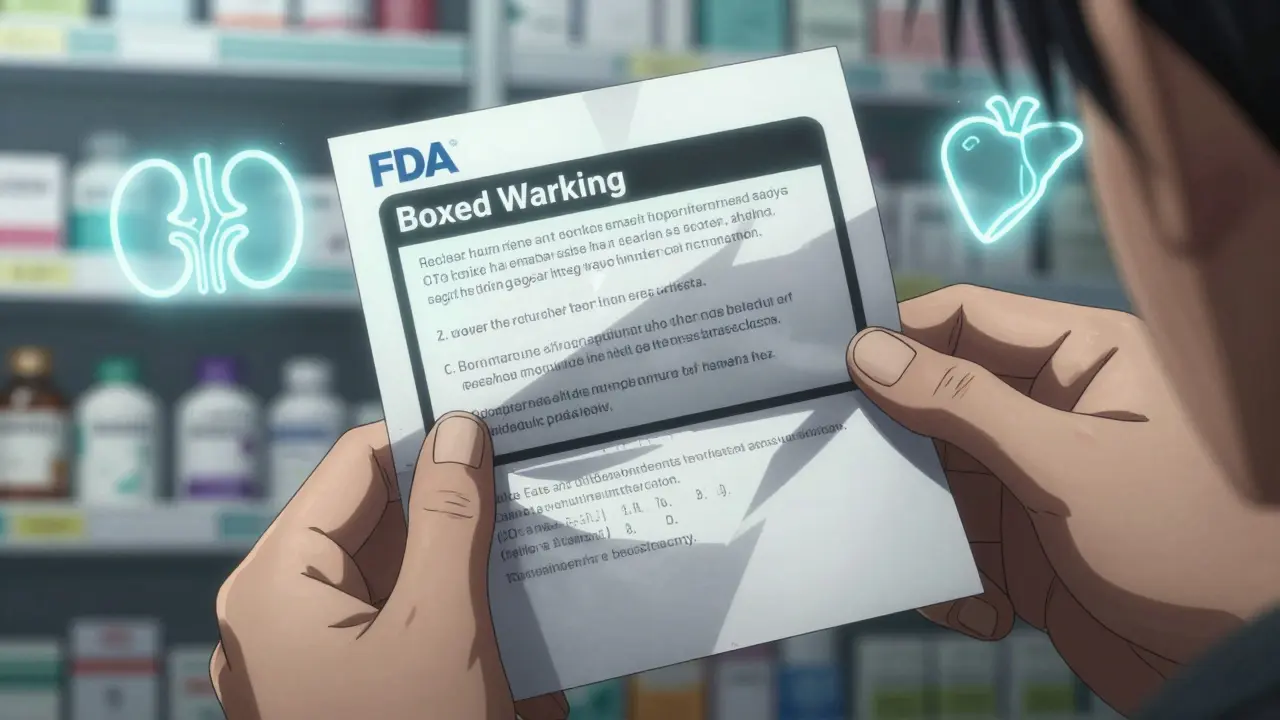
How to Read FDA Drug Labels: Understanding Key Information Sections
January 14, 2026 by Maxwell Harrington
Learn how to read FDA drug labels step by step to understand critical safety info, dosing rules, drug interactions, and warnings. Avoid medication errors by knowing where to look on the official prescribing label.
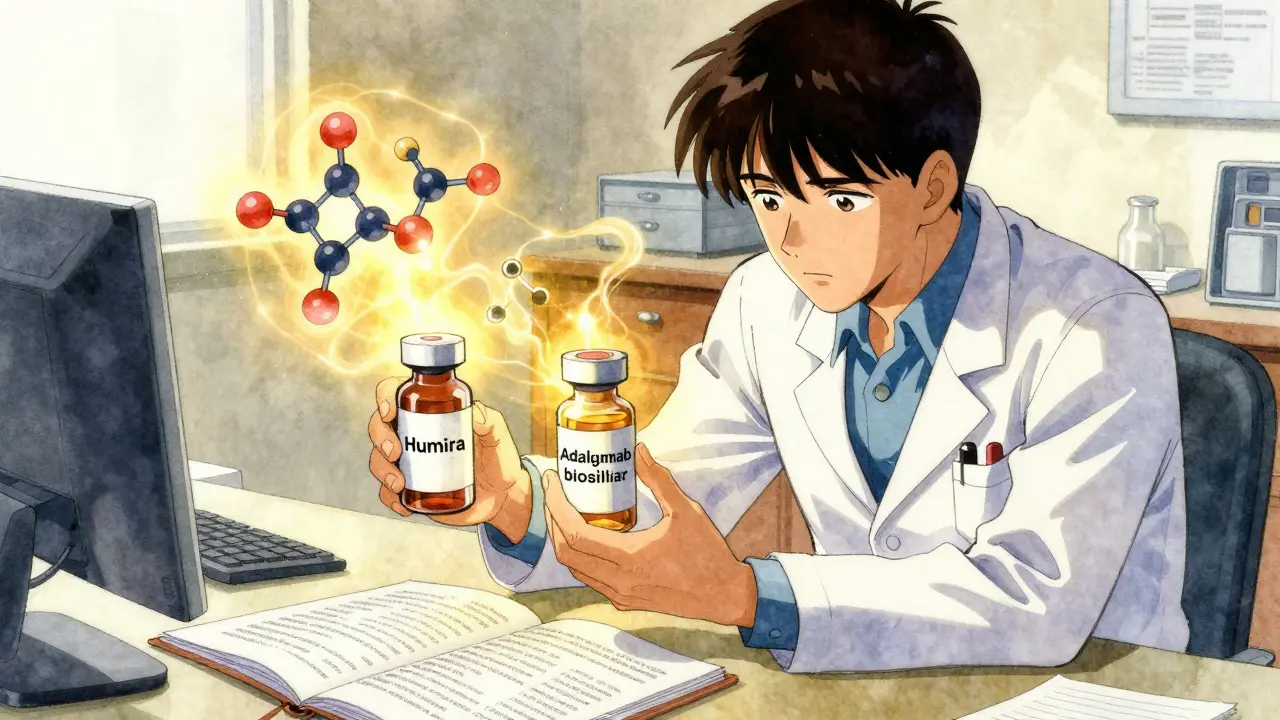
Provider Education: Understanding Biosimilar Differences and Why It Matters
January 10, 2026 by Maxwell Harrington
Understand the critical differences between biosimilars and generics, why provider education is lagging, and how to confidently prescribe biosimilars to improve patient access and reduce costs.
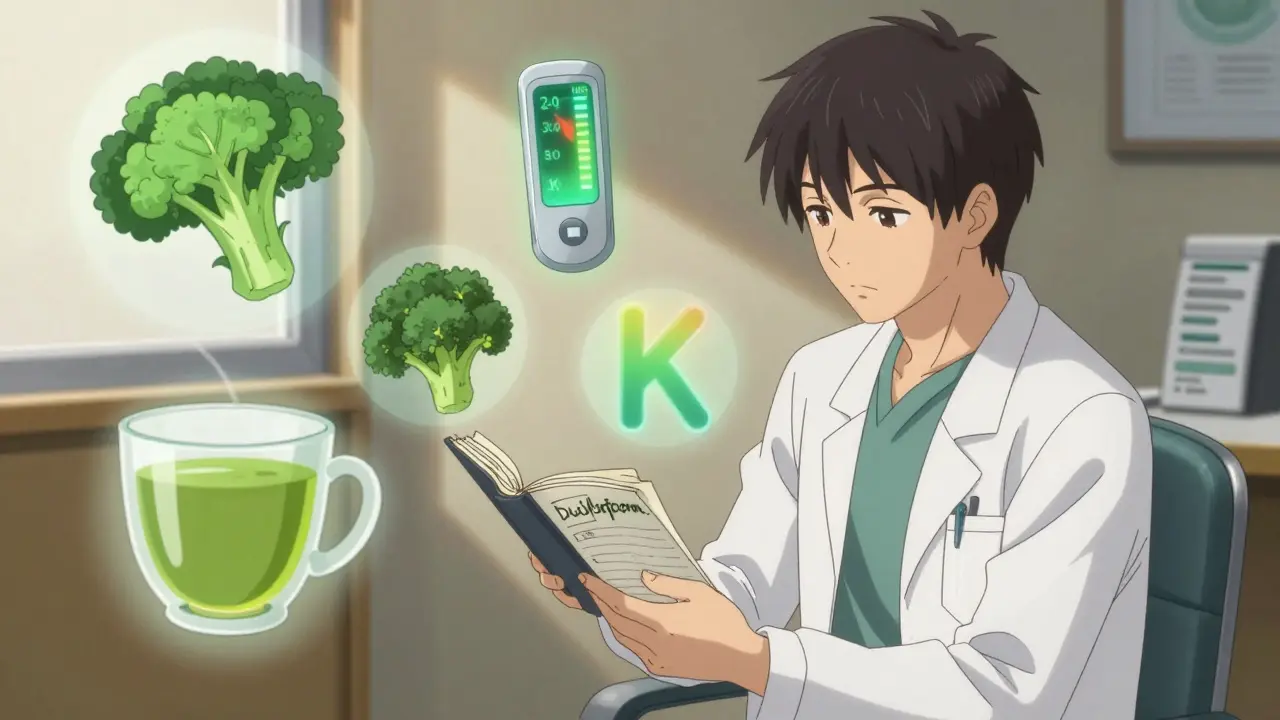
Warfarin Interactions: Foods, Supplements, and Prescription Drugs You Must Avoid
January 8, 2026 by Maxwell Harrington
Warfarin is effective but dangerous if not managed properly. Learn which foods, supplements, and drugs can cause dangerous interactions - and how to stay safe while taking it.
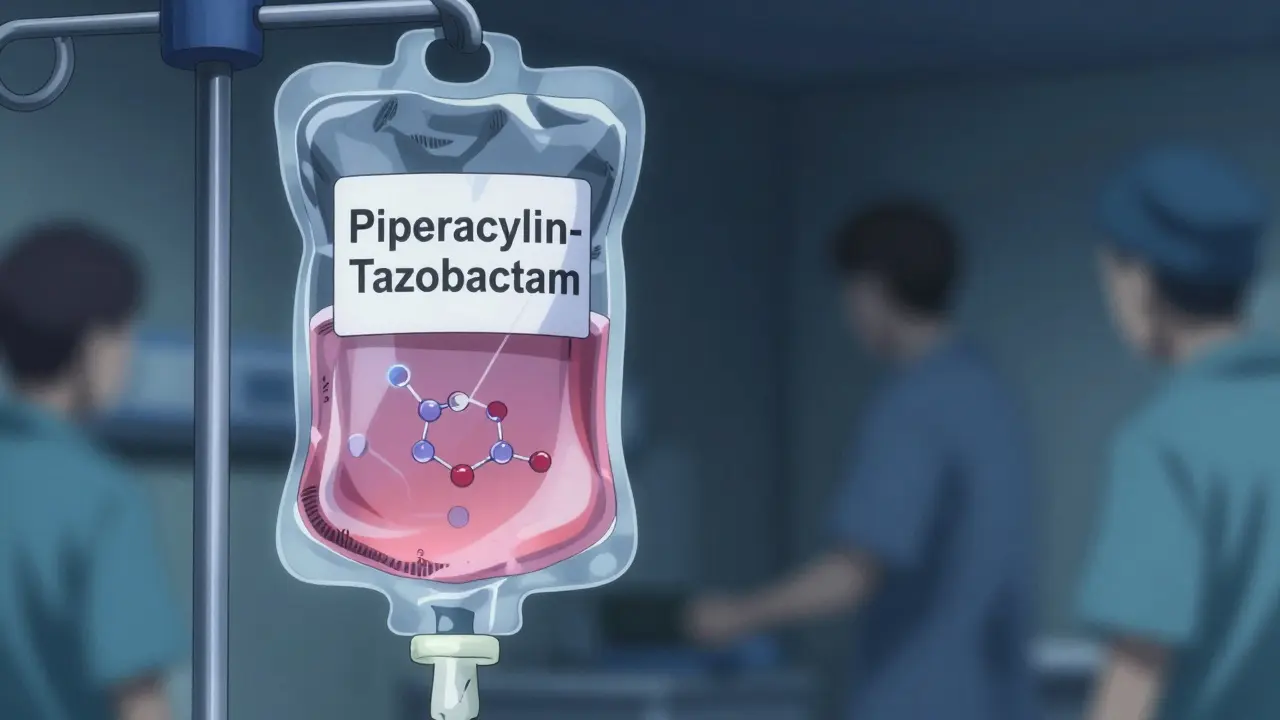
Antibiotic Combination Products: Generic Availability and What It Means for Patients
December 31, 2025 by Maxwell Harrington
Generic antibiotic combination products offer the same effectiveness as brand-name versions at a fraction of the cost. Learn how they work, why they’re not always available, and how they’re changing infection treatment in the U.S.
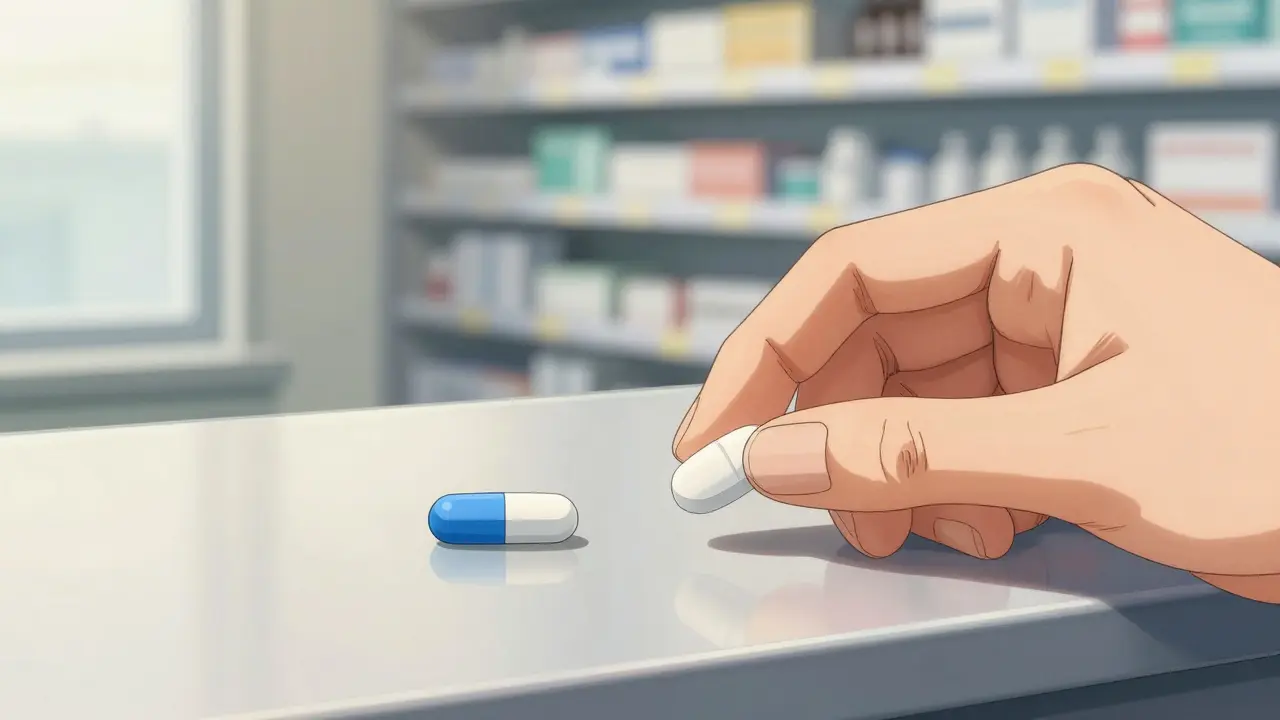
How to Save Money with Generics Without Sacrificing Safety
December 29, 2025 by Maxwell Harrington
Learn how to save hundreds or even thousands on prescriptions by switching to generic medications without risking your health. Discover when generics are safe, when to be cautious, and how to use them wisely.

How the FDA Inspects Drugs Entering the U.S. to Ensure Safety and Quality
December 27, 2025 by Maxwell Harrington
Learn how the FDA monitors and inspects every drug entering the U.S. to ensure safety, from risk-based screening to the end of the $800 loophole. Understand what gets detained, why, and how the system protects patients.