
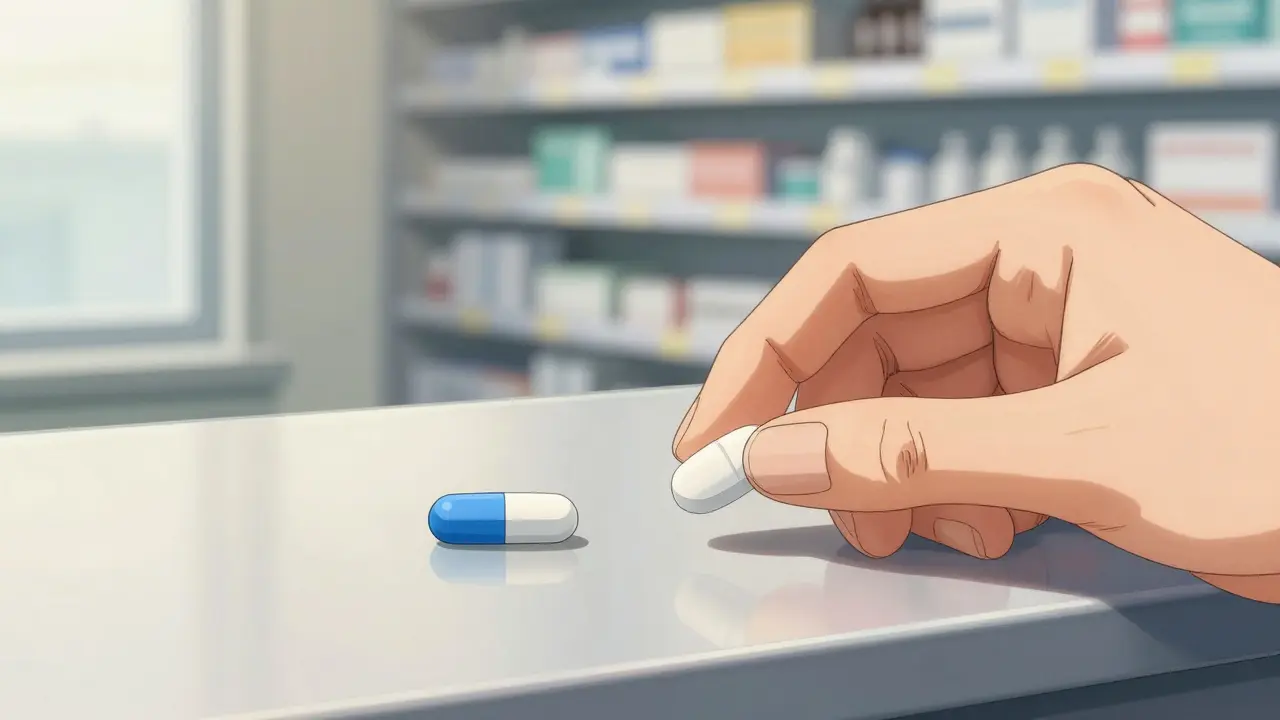
Every year, Americans spend over $400 billion on prescription drugs. And if you’ve ever stared at a pharmacy receipt for a brand-name medication, you know why. A 30-day supply of atorvastatin (Lipitor) might cost $450. The generic version? As low as 50 cents. That’s not a typo. It’s the reality of how generics work-and how they can cut your drug costs by 90% without hurting your health.
What Exactly Is a Generic Drug?
A generic drug isn’t a copy. It’s the same medicine. The FDA requires that generics contain the exact same active ingredient, strength, dosage form, and route of administration as the brand-name version. That means if you’re taking a generic version of metoprolol, you’re getting the same heart medication as the brand-name Lopressor. The only differences? The color, shape, flavor, or inactive ingredients-like fillers or dyes-that don’t affect how the drug works. The FDA doesn’t approve generics lightly. Each one must prove it’s bioequivalent to the brand. That means in clinical tests with healthy volunteers, the generic must absorb into the bloodstream at the same rate and to the same extent as the original-within 80% to 125% of the brand’s performance. For drugs with a narrow therapeutic index-like warfarin, levothyroxine, or phenytoin-the range is even tighter: 90% to 111%. This isn’t guesswork. It’s science.Why Generics Cost So Much Less
Brand-name drugs aren’t expensive because they’re better. They’re expensive because the company spent years and hundreds of millions developing them. Once the patent expires, other manufacturers can step in. They don’t need to repeat costly clinical trials. They just need to prove bioequivalence. That cuts development costs by 80% or more. That savings gets passed on. In 2023, the average cost of a generic prescription was $14.50. The same brand-name drug? Around $620. That’s not just a bargain-it’s a lifeline. A 2024 GoodRx survey found that 89% of people who switched to generics stayed on their meds, compared to only 67% who kept paying for brand names. Cost doesn’t just hurt your wallet-it hurts your health when you skip doses because you can’t afford it.Are Generics Really as Safe?
Yes-for the vast majority of people, and for most drugs. A 2020 study in Nature Communications looked at 17 cardiovascular drugs and found that generic versions were linked to fewer deaths in 10 of them and fewer major heart events in 11. Another 2024 study tracking 2.3 million patients found that generic statins had the same safety profile as brand-name ones-if patients stayed on the same manufacturer. The FDA has reviewed over 12,000 generic applications since 2022. Every single one met the same standards as the brand. The agency inspects manufacturing facilities-both in the U.S. and overseas-just as rigorously as it does for brand-name companies. In 2022, the FDA conducted nearly 1,800 inspections of generic drug plants. Same rules. Same standards. But here’s the nuance: not all drugs are created equal when it comes to switching.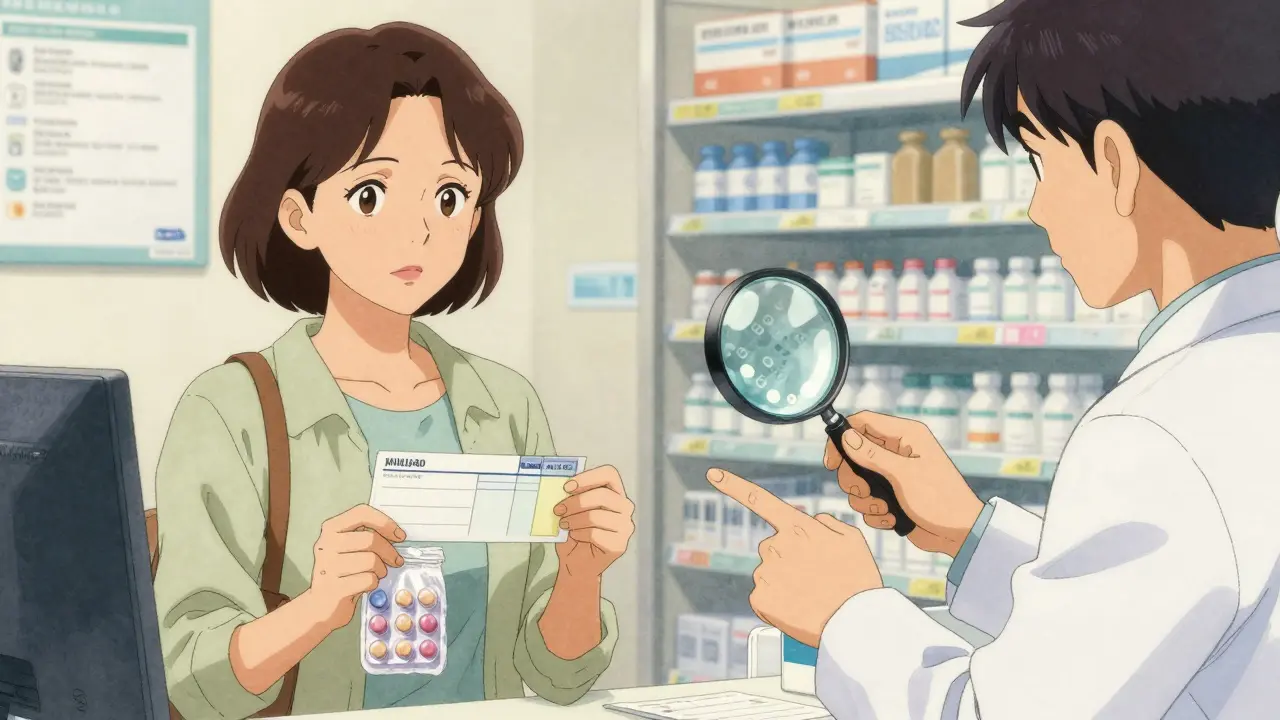
When to Be Extra Careful
Some drugs have what’s called a narrow therapeutic index. That means the difference between a dose that works and one that’s too much-or too little-is tiny. For these, even small changes in absorption can matter. - Levothyroxine (for thyroid conditions): A 2022 Drugs.com review of 1,842 patients found 23% reported inconsistent symptoms on generic versions, compared to 8% on Synthroid. The FDA recommends sticking with the same manufacturer if you’re on this drug. - Warfarin (a blood thinner): A JAMA study showed that switching manufacturers increased the risk of unstable INR levels by 18%. If you’re on warfarin, ask your pharmacist to keep you on the same generic brand. - Antiepileptic drugs: A Neurology journal study found a 12% higher chance of seizures after multiple switches between generic brands. Consistency matters here. These aren’t reasons to avoid generics. They’re reasons to be smart about them.How to Use Generics the Right Way
You don’t need to be a pharmacist to use generics safely. Just follow these steps:- Ask your pharmacist: "Is this generic from an FDA-inspected facility?" You can check this yourself using the FDA’s Drugs@FDA database. If they hesitate, ask for another option.
- Check the pill: Note the color, shape, and imprint (the letters/numbers on the tablet). If your next refill looks different, ask why. It might be a different manufacturer. That’s normal-but if you feel different after the switch, tell your doctor.
- Stick with one manufacturer for narrow therapeutic index drugs. Don’t switch between generics unless your doctor says it’s safe.
- Use tools like GoodRx to compare prices. The cheapest generic isn’t always the one at your local pharmacy. Sometimes a mail-order or discount pharmacy saves you even more.
What the Experts Say
Dr. Niteesh Choudhry from Brigham and Women’s Hospital put it plainly: "There is really no hard proof that generic medications are any less effective or safe than the originals." The FDA’s Director of Generic Drugs, Sally Seifert, said in 2023: "Generic drugs have the same risks and benefits as their brand-name versions." The American Heart Association agrees: "Generic medications can be substituted for branded drugs in most cardiovascular conditions." But they also add: "Use caution with narrow therapeutic index drugs and monitor closely after switching." That’s the key. It’s not about generics being unsafe. It’s about managing transitions wisely.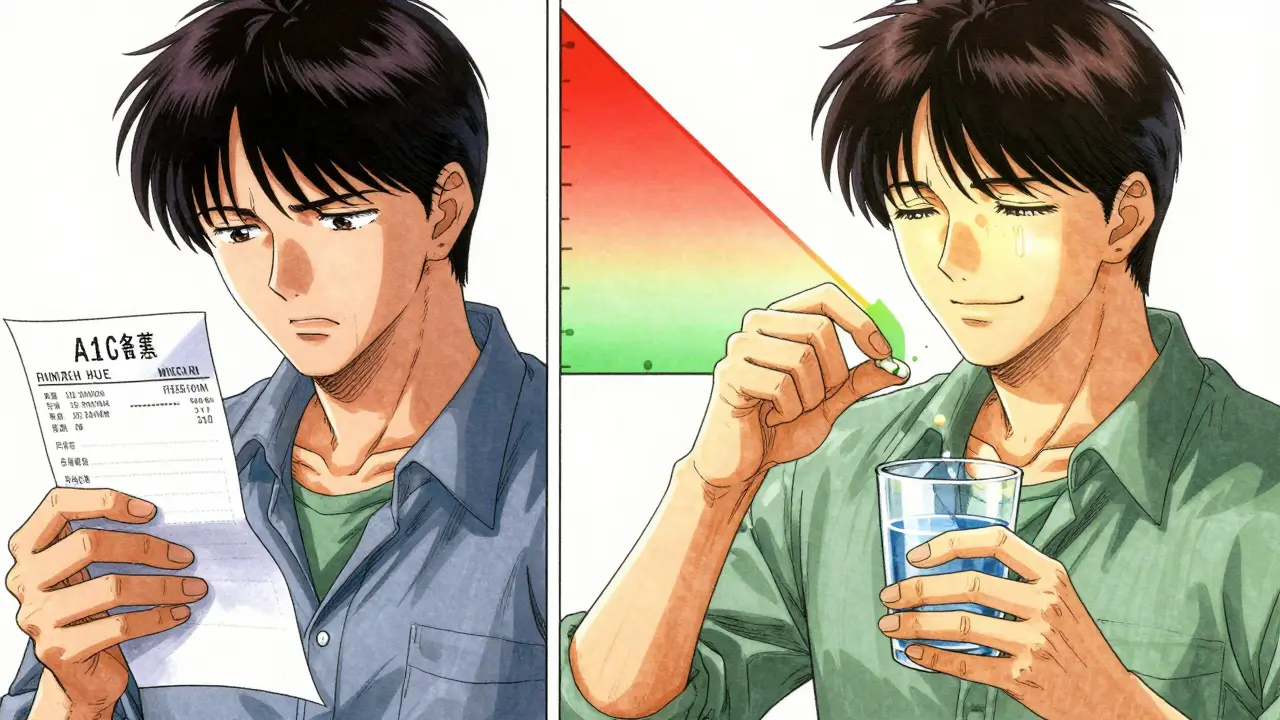
Real Stories, Real Savings
On Reddit’s r/Pharmacy, a 2023 thread with over 1,200 comments showed 78% of users reported no difference between brand and generic. Fifteen percent had minor side effects-like a headache or stomach upset-that went away in a week or two. Only 7% said the generic didn’t work at all. One woman in Texas switched from brand-name lisinopril to generic and saved $360 a year. She checked the pill imprint, stayed with the same manufacturer, and never had an issue. Another man in Ohio switched his metformin to generic and started taking it consistently. His A1C dropped from 8.2 to 6.9 in six months. "I was skipping doses because I couldn’t afford the brand," he said. "Now I’m alive because of the generic."What’s Changing in 2025
The FDA’s new Generic Drug Shortage Task Force is working to fix supply issues that caused shortages of drugs like Adderall and amoxicillin in 2022-2023. By 2026, all new generic applications must include data on continuous manufacturing-helping prevent future disruptions. The PRESCRIPTION Act, proposed in 2023, would make generic substitution the default unless a doctor specifically says no. Right now, 49 states already allow pharmacists to substitute generics unless the prescription says "dispense as written." And it’s not just pills. Biosimilars-generic versions of complex biologic drugs for cancer and autoimmune diseases-are now approved for over 30 conditions. The first biosimilar to Humira hit the market in 2023 and cut the price from $7,000 per month to under $1,000.Bottom Line: Save Money. Stay Safe.
You don’t have to choose between affordability and safety. Generics deliver the same active ingredient, same effectiveness, and same safety profile as brand-name drugs-for almost everyone, for almost every condition. The exceptions are real, but they’re manageable. With a few simple steps-checking the pill, asking questions, sticking with one manufacturer-you can save hundreds, even thousands, per year without risking your health. The system isn’t perfect. But for the vast majority of prescriptions, generics are the smartest, safest, and most responsible choice you can make.Are generic drugs really as effective as brand-name drugs?
Yes, for the vast majority of medications. The FDA requires generics to contain the exact same active ingredient, strength, and dosage form as the brand-name version. They must also prove bioequivalence-meaning they work the same way in your body. Studies show that generics perform just as well as brand names for conditions like high blood pressure, cholesterol, depression, and diabetes. The only exceptions are a small number of drugs with a narrow therapeutic index, like warfarin or levothyroxine, where consistency in manufacturer matters more.
Can switching to a generic drug cause side effects?
Sometimes, but rarely because the drug itself is unsafe. Side effects usually come from differences in inactive ingredients-like dyes or fillers-that can affect people with rare allergies or sensitivities. For example, someone might get a mild rash from a new generic because it uses a different dye. These reactions are uncommon and often go away after a few days. More often, people feel like the drug isn’t working because they’re used to the brand’s appearance or because they’re anxious about the switch. If you notice a change, talk to your pharmacist or doctor before stopping the medication.
Why do some generics look different from the brand-name version?
By law, generics can’t look exactly like the brand-name drug because of trademark rules. So they may be a different color, shape, or size. That doesn’t mean they’re different in how they work. The active ingredient is identical. If your pill suddenly looks different, it’s likely a different manufacturer-common when multiple companies make the same generic. Check the imprint (the letters or numbers on the pill) and ask your pharmacist if it’s the same drug. You can verify this using the FDA’s Drugs@FDA database.
Is it safe to switch between different generic brands?
For most drugs, yes. But for medications with a narrow therapeutic index-like warfarin, levothyroxine, or seizure drugs-it’s best to stick with the same manufacturer. Switching between generics for these drugs can cause small changes in how your body absorbs the medicine, which may lead to side effects or reduced effectiveness. If you’re on one of these drugs, ask your pharmacist to fill your prescription with the same generic brand each time. You can request this on your prescription or ask your doctor to write "dispense as written" if needed.
How can I find the cheapest generic version of my medication?
Use free tools like GoodRx, SingleCare, or RxSaver to compare prices across pharmacies in your area. The lowest price isn’t always at your local chain. Sometimes a mail-order pharmacy, Walmart, or Costco offers the best deal-sometimes as low as $4 for a 30-day supply. You can also ask your pharmacist if they offer a discount program or if your insurance has a preferred generic tier. And remember: generics can vary in price between manufacturers, so if one is too expensive, ask if another brand is available.
Are generic drugs made in the same factories as brand-name drugs?
Sometimes, yes. Many brand-name companies also make generic versions of their own drugs after the patent expires. The FDA inspects all manufacturing facilities-whether they make brand or generic drugs-using the same strict standards. In fact, over 50% of generic drugs sold in the U.S. are made in facilities that also produce brand-name drugs. The difference isn’t the factory. It’s the price. Generics are cheaper because they don’t carry the cost of marketing, advertising, or patent protection.
What should I do if I think my generic medication isn’t working?
Don’t stop taking it. First, check if you switched manufacturers recently. A change in pill appearance doesn’t mean it’s less effective, but it can affect how you feel. Talk to your pharmacist about the manufacturer and check the FDA’s Drugs@FDA database to confirm it’s the same drug. If you’re still concerned, contact your doctor. For some drugs-like thyroid or seizure meds-you may need a blood test to check levels. Never assume the generic isn’t working. Most of the time, it’s just a matter of giving your body time to adjust or switching to a different generic brand.
Himanshu Singh
December 29, 2025 AT 16:29Jasmine Yule
December 29, 2025 AT 21:54Sharleen Luciano
December 29, 2025 AT 22:25Jim Rice
December 30, 2025 AT 21:16Henriette Barrows
January 1, 2026 AT 04:26Alex Ronald
January 2, 2026 AT 09:02Teresa Rodriguez leon
January 3, 2026 AT 00:40Louis Paré
January 4, 2026 AT 14:23Marie-Pierre Gonzalez
January 6, 2026 AT 12:07Janette Martens
January 8, 2026 AT 10:53Aliza Efraimov
January 10, 2026 AT 05:43Paige Shipe
January 11, 2026 AT 07:09Tamar Dunlop
January 12, 2026 AT 09:06David Chase
January 13, 2026 AT 20:07