Sulfonamide Antibiotics: What They Are, How They Work, and What You Need to Know
When you hear sulfonamide antibiotics, a class of synthetic antibacterial drugs first introduced in the 1930s that block bacterial folate synthesis. Also known as sulfa drugs, they were the first medicines to turn once-deadly infections like pneumonia and strep throat into treatable conditions. Today, they’re not the first choice for most infections—but they’re still used for urinary tract infections, ear infections, and certain skin conditions, especially when other antibiotics won’t work or aren’t available.
Sulfonamide antibiotics work by stopping bacteria from making folic acid, which they need to grow and multiply. Humans get folic acid from food, but bacteria have to make it themselves—so these drugs hit the bacteria hard without hurting your cells directly. That’s why they were such a breakthrough. But here’s the catch: bacteria have gotten smarter. Overuse and misuse have led to widespread resistance, and now many common strains don’t respond to sulfonamides anymore. That’s why they’re often paired with other drugs, like trimethoprim, to make them more effective. The combination, called co-trimoxazole, is still used for things like traveler’s diarrhea and Pneumocystis pneumonia in people with weakened immune systems.
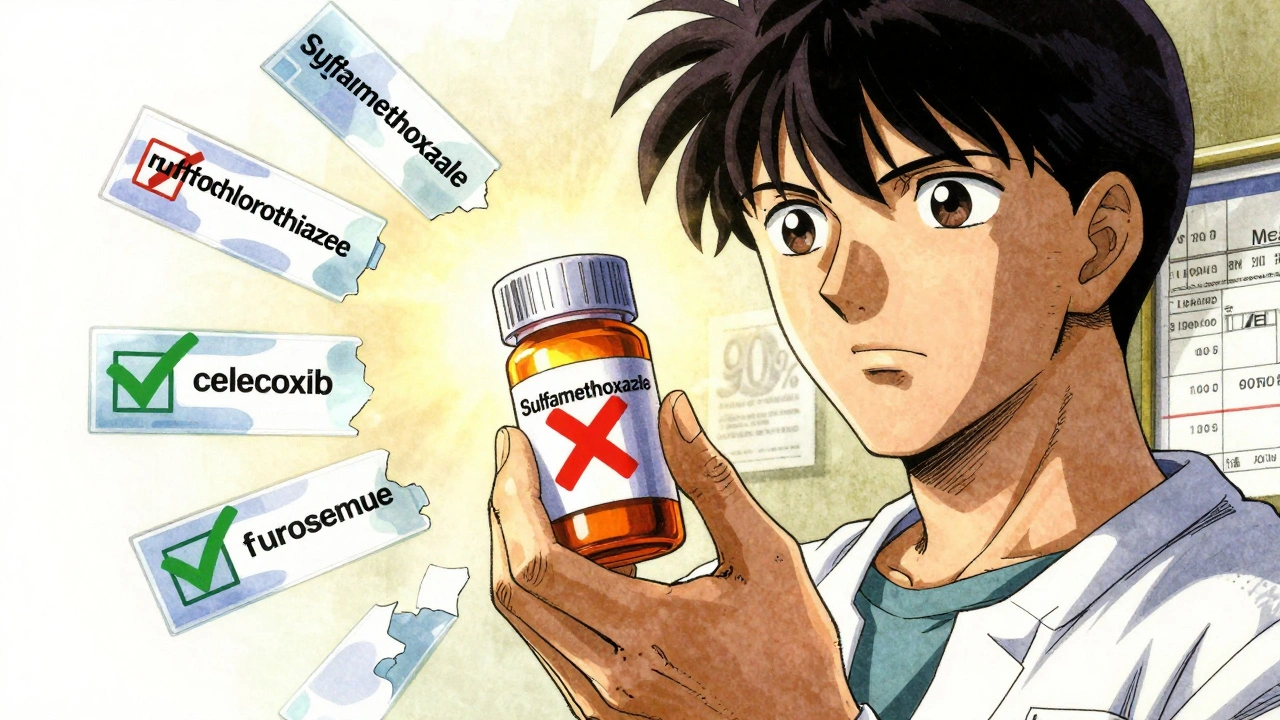
Not everyone can take sulfonamide antibiotics. If you’ve ever had a rash, blistering, or trouble breathing after taking one, you might be allergic. A sulfa allergy isn’t rare—it affects about 3% of people. And it’s not just the antibiotics: some diabetes pills, diuretics, and migraine meds also contain sulfa, so you need to check labels. Side effects like nausea, dizziness, or sun sensitivity are common but usually mild. The serious ones—like Stevens-Johnson syndrome or kidney damage—are rare but can be life-threatening. That’s why doctors don’t prescribe them lightly anymore.
Even with all the newer antibiotics out there, sulfonamides still have a place. They’re cheap, stable at room temperature, and work well in areas where access to advanced medicine is limited. In fact, the World Health Organization still lists them as essential medicines. But their future depends on how we use them now. If you’re prescribed one, take the full course—even if you feel better. Skip doses, and you’re helping bacteria evolve resistance faster. And if you’ve ever had a bad reaction, make sure your medical records say so. That one detail could save your life next time you’re sick.
Below, you’ll find real-world guides on how these drugs interact with other medications, how to spot allergic reactions, and what to do when antibiotics stop working. These aren’t theoretical discussions—they’re based on patient experiences, clinical data, and the hard lessons learned from decades of use.