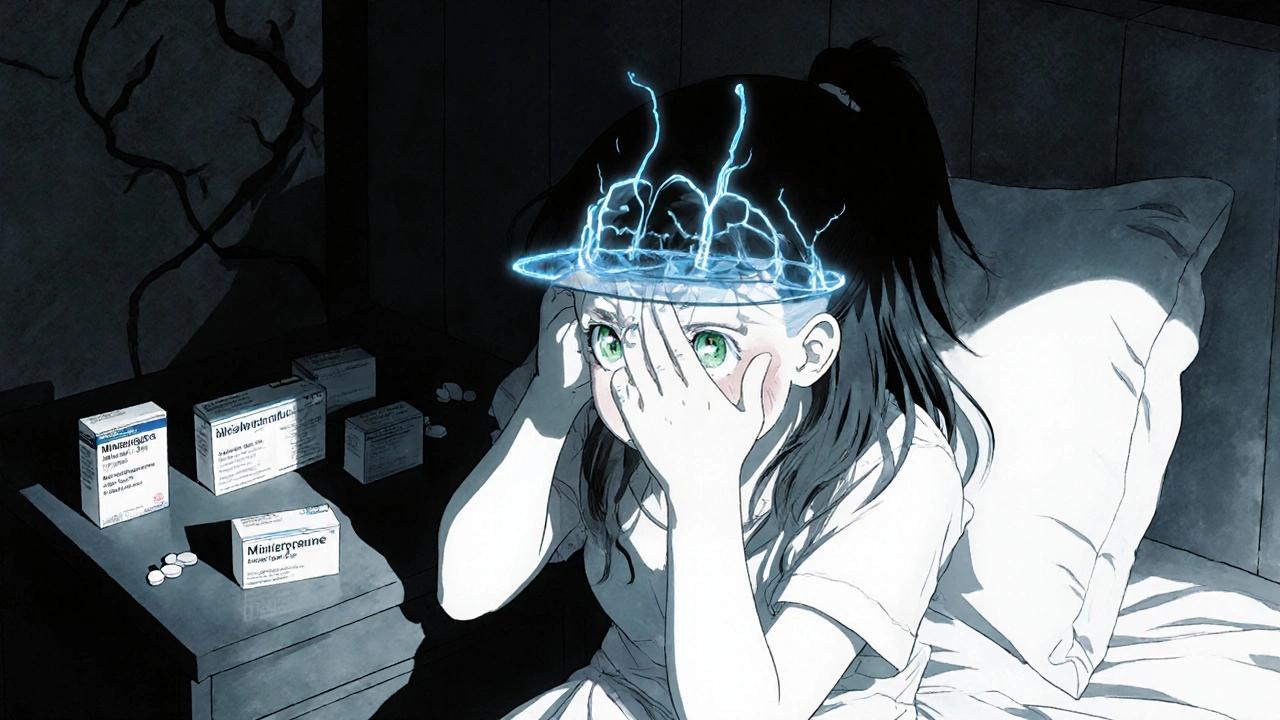
Medication-Induced IIH: Causes, Risks, and What You Need to Know
When certain medications raise pressure inside your skull, they can cause medication-induced IIH, a condition where increased pressure in the brain mimics a tumor, even though none is present. Also known as pseudotumor cerebri, it’s not cancer—but it can blur your vision, trigger constant headaches, and even lead to permanent sight loss if ignored. This isn’t rare. It shows up in people taking antibiotics, birth control pills, steroids, or even some acne drugs like tetracycline. You don’t have to be overweight or have a family history—it can happen to anyone after starting a new medicine.
Some drugs directly affect how your body handles fluid, making too much cerebrospinal fluid build up around the brain. Others mess with hormones or blood flow, raising pressure slowly over weeks or months. tetracycline, an older antibiotic often used for acne, is one of the most common culprits. So are vitamin A derivatives, like isotretinoin, used for severe acne, and even growth hormone therapy, sometimes prescribed for kids or adults with hormone imbalances. If you’ve started any of these and now have daily headaches, ringing in your ears, or trouble seeing—especially when you stand up—don’t brush it off. These are red flags.
What makes medication-induced IIH tricky is that symptoms look a lot like migraines or stress headaches. Many people wait months before seeing a doctor, thinking it’s just tension. But unlike regular headaches, these often get worse with movement, coughing, or lying flat. Vision changes aren’t always obvious at first—maybe you just notice blurry spots or trouble focusing. Left untreated, the pressure can crush the optic nerve. That’s why early testing matters. A simple eye exam and MRI can rule out tumors and confirm if pressure is the real issue.
The good news? Stopping the medicine often reverses the problem. For some, losing weight helps. For others, a short course of diuretics or a spinal tap to drain fluid brings relief. But you can’t guess which drug caused it. That’s why tracking your meds and symptoms together is critical. If you’re on any of the drugs linked to IIH and notice new headaches or vision changes, talk to your doctor before quitting anything cold turkey. Some meds need to be tapered, and others might have safer alternatives.
In the posts below, you’ll find real-world guides on how to spot dangerous drug side effects, what to do when a medicine makes you feel off, and how to check if your prescription is on the list of known triggers. Whether you’re managing acne, migraines, or hormonal issues, these articles help you stay safe without guessing.