CYP3A4 Enzyme: How It Affects Your Medications and What You Need to Know
When you take a pill, your body doesn’t just absorb it — it breaks it down. And one of the most important players in that process is the CYP3A4 enzyme, a liver enzyme responsible for metabolizing over half of all prescription drugs. Also known as cytochrome P450 3A4, it’s the workhorse that decides how long a drug stays active in your system — and whether it’ll work at all. If CYP3A4 is too slow, your drug builds up and could cause side effects. If it’s too fast, the drug vanishes before it can help. This isn’t theory — it’s why some people get sick on normal doses, while others need way more to feel anything.
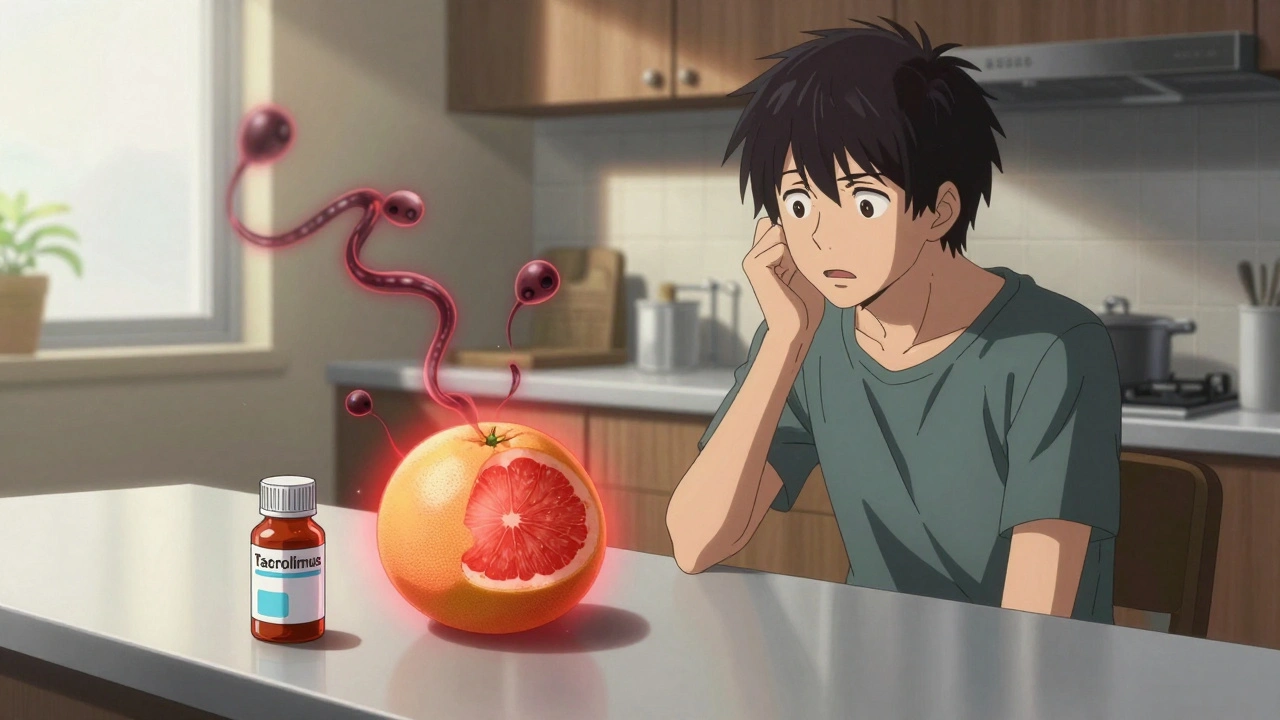
This enzyme doesn’t work alone. It’s influenced by what you eat, what else you take, and even your genes. Grapefruit juice? It shuts down CYP3A4 in your gut, making drugs like statins or blood pressure meds dangerously strong. Antibiotics like clarithromycin? They do the same. On the flip side, St. John’s wort can crank CYP3A4 into overdrive, making birth control or antidepressants useless. These aren’t rare cases — they’re daily risks for millions. And because CYP3A4 handles so many common drugs — from cholesterol pills to cancer treatments — ignoring it can be dangerous. Even something as simple as switching from one painkiller to another can throw off your whole medication balance.
What makes this even trickier is that CYP3A4 interacts with other liver enzymes and drug transporters. It’s not just about one enzyme — it’s about how your whole system works together. That’s why some people respond wildly differently to the same drug. One person might take a medication safely for years, then suddenly have a bad reaction after starting a new supplement. That’s not bad luck — it’s pharmacogenomics in action. And while you can’t change your genes, you can learn what to watch for. The posts below show real-world examples: how antibiotics mess with mood meds, why some diabetes drugs need dose changes, and how even common OTC pain relievers can interfere with heart medications. You’ll find guides on spotting hidden interactions, understanding what your pharmacist should check, and how to talk to your doctor without sounding paranoid. This isn’t about fear — it’s about control. Know how your body handles drugs, and you stop guessing and start managing.