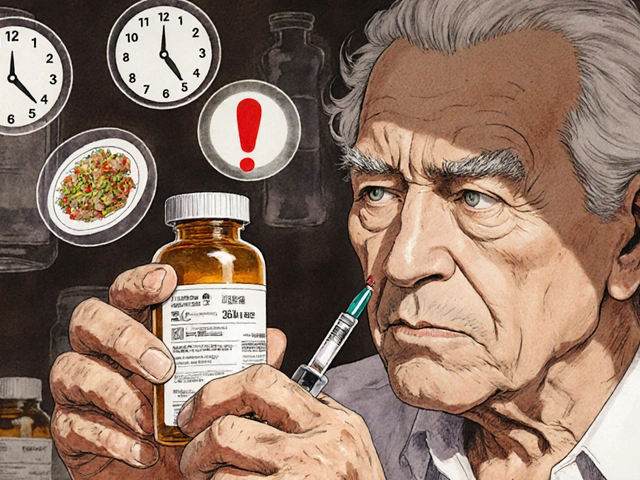
High blood pressure usually doesn't have obvious symptoms, which is why it's often called a silent killer. If your systolic pressure stays at or above 130 mmHg or your diastolic hits 80 mmHg, you're dealing with hypertension. With nearly 1 billion people globally affected, including about half of adults in the U.S., finding the right medication isn't just about lowering a number on a screen-it's about preventing a stroke or heart attack. But with so many different drug classes, how do you know which one is right for your body and where the risks lie?
| Medication Class | How it Works | Common Example | Key Watch-out |
|---|---|---|---|
| Diuretics | Flushes sodium and water | Hydrochlorothiazide | Frequent urination, low potassium |
| ACE Inhibitors | Stops blood vessel tightening | Lisinopril | Dry cough, fetal risk |
| Beta-Blockers | Slows heart rate | Metoprolol | Fatigue, cold hands |
| Calcium Channel Blockers | Relaxes vessel muscles | Amlodipine | Swollen ankles (edema) |
The First Line of Defense: Diuretics and Calcium Channel Blockers
When a doctor first diagnoses hypertension, they often start with blood pressure medications pharmaceutical agents designed to lower hypertension and reduce cardiovascular risk that act like a plumbing fix for your body. Diuretics, such as hydrochlorothiazide, are frequently the first choice. They work by prompting your kidneys to remove excess sodium and water, which lowers the total volume of blood your heart has to pump. If you're on these, you'll likely notice you're hitting the bathroom more often, and you'll need to keep an eye on your potassium levels to avoid cramps or fatigue.
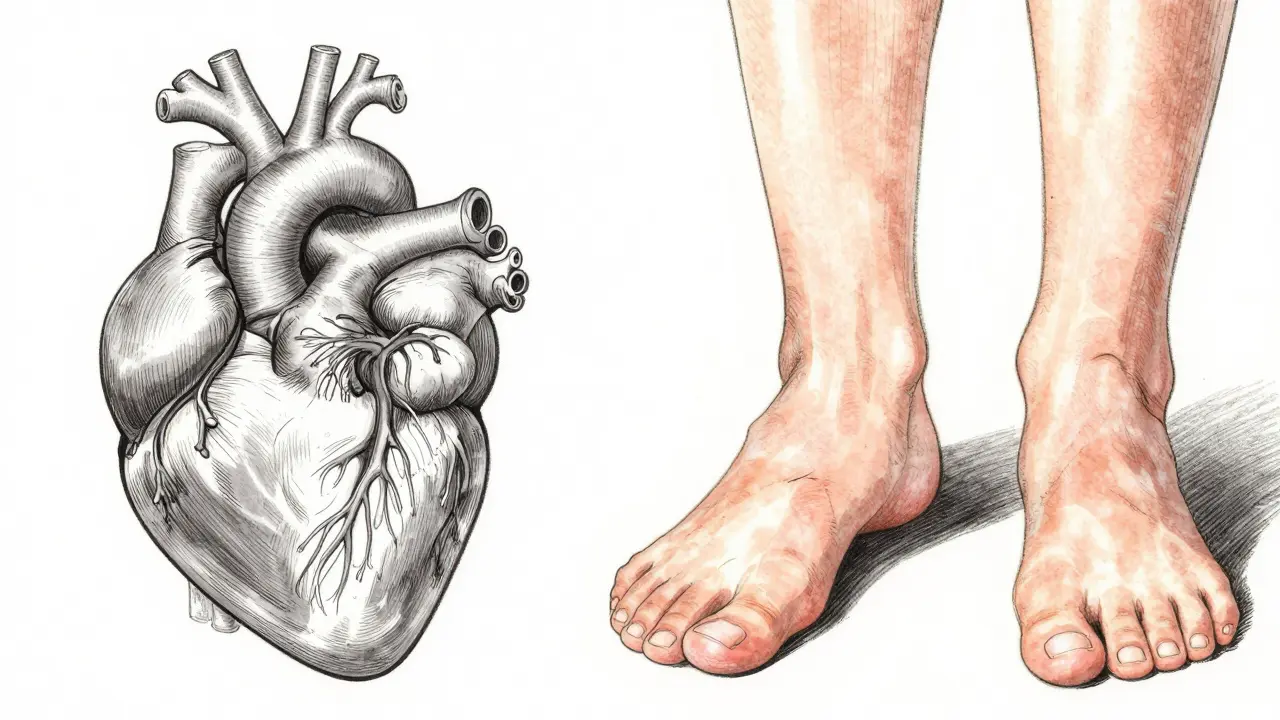
Calcium Channel Blockers take a different approach. Instead of changing blood volume, they stop calcium from entering the cells of your heart and blood vessel walls. This relaxes the vessels and lowers pressure. You'll find two main types here: dihydropyridines, like amlodipine, which focus mostly on the blood vessels, and non-dihydropyridines, like verapamil, which also slow down the heart. A common annoyance with the dihydropyridine group is peripheral edema-that annoying swelling in your ankles at the end of the day.
Protecting the Heart and Kidneys: ACE Inhibitors and ARBs
For people who also have diabetes or chronic kidney disease, doctors usually reach for medications that do more than just lower pressure; they provide organ protection. ACE Inhibitors (Angiotensin-Converting Enzyme inhibitors), like lisinopril, stop the body from producing a hormone that narrows blood vessels. While they are highly effective, about 10-20% of people develop a nagging, dry cough. If that happens, you aren't alone-it's a classic side effect of the drug's interaction with bradykinin in the lungs.
If the cough is too much, ARBs (Angiotensin II Receptor Blockers), such as losartan, are the go-to alternative. They block the same hormone but at the receptor level, which means they usually don't cause that cough. Both ACE inhibitors and ARBs are excellent for kidney protection, but they come with a serious warning: they are strictly forbidden during pregnancy because they can cause severe fetal toxicity. If you're planning a family, this is the first conversation to have with your provider.
Managing the Beat: Beta-Blockers and Other Specialized Agents
Beta-Blockers, like metoprolol, aren't usually the first choice for simple hypertension anymore. Instead, they're reserved for people who have already had a heart attack or are dealing with heart failure. They work by blocking adrenaline, which slows your heart rate and reduces the force of every contraction. While they save lives in cardiac recovery, they can make you feel sluggish or leave your hands and feet feeling cold. They can also mask the shaking or rapid heartbeat that usually warns a diabetic person their blood sugar is dropping, which is a critical safety point.
Beyond these, there are niche options for tougher cases. Alpha-Blockers, like doxazosin, prevent norepinephrine from tightening blood vessels, while Alpha Receptor Agonists like clonidine work on the brain to dial down the nervous system's "fight or flight" response. These are often added when a patient isn't responding to the primary classes.
The Danger Zones: Interactions and Safety Pitfalls
Taking one pill is simple, but combining medications can create unexpected chemistry in your body. One of the biggest mistakes is mixing ACE Inhibitors with NSAIDs (like ibuprofen or naproxen). This combo can actually trigger acute kidney injury and make your blood pressure medication less effective. Similarly, taking an ACE inhibitor and an ARB at the same time is generally avoided because it spikes the risk of hyperkalemia (too much potassium) without providing much extra benefit.
Age also changes how these drugs behave. For older adults, the risk of orthostatic hypotension-that dizzy spell you get when you stand up too fast-is much higher. This is why doctors usually start seniors on a lower dose and ramp up slowly. If you're elderly or caregiving for a parent, encourage them to stand up slowly to avoid falls.

Real-World Management: Why Most People Struggle
It's a frustrating reality that about 50% of people stop taking their blood pressure meds within a year. Why? Because hypertension is "asymptomatic." You don't feel high blood pressure, but you do feel the dizziness, the fatigue, or the frequent bathroom trips caused by the medication. When the side effects are louder than the disease, patients often quit.
To beat this, many people move to combination therapy. According to clinical data, roughly 70% of patients need two or more medications to hit their target goal. Instead of just cranking up the dose of one drug (which increases side effects), doctors often prescribe a low dose of two different classes. This "multi-pathway" approach is often more effective and easier on the body. Using medication reminder apps has also been shown to boost adherence by 15-20%, making it easier to stay on track.
Can I stop taking my blood pressure meds if my readings are normal?
No. If your readings are normal, it means the medication is working. Stopping abruptly can cause "rebound hypertension," where your blood pressure spikes to dangerous levels, significantly increasing your risk of a stroke or heart attack. Always consult your doctor before adjusting your dose.
Which blood pressure medication is safest during pregnancy?
ACE Inhibitors and ARBs are strictly contraindicated during pregnancy due to fetal toxicity. Generally, methyldopa and labetalol are the preferred, safer options for managing hypertension in pregnant women, as they have a long history of safety data.
Why do some blood pressure meds cause a dry cough?
This is most common with ACE Inhibitors. These drugs prevent the breakdown of bradykinin, a peptide that can accumulate in the lungs and trigger a persistent, dry cough in 10-20% of users. If this happens, doctors often switch the patient to an ARB, which doesn't affect bradykinin.
What should I do if I experience swelling in my ankles?
Ankle swelling (peripheral edema) is a common side effect of Calcium Channel Blockers like amlodipine. While often harmless, you should report it to your doctor. They may adjust your dose or suggest adding a low-dose diuretic to help your body flush the excess fluid.
Do I need to change my diet while taking these medications?
Yes. Reducing sodium intake is critical because salt holds onto water, which increases blood pressure and fights against the medication. Additionally, if you are on ACE inhibitors or ARBs, you should be careful with potassium-rich salt substitutes, as these drugs can already raise your potassium levels to a dangerous point.
Next Steps for Your Health Journey
If you've just started a new medication, don't expect an instant fix. Most providers recommend rechecking your blood pressure 2 to 4 weeks after starting a drug to see how you're responding. Keep a simple log of your readings at home to share with your doctor; this is far more accurate than a single reading in a stressful clinic environment.
If you're feeling side effects that make you want to quit, don't just stop the pills. Call your pharmacist or doctor and ask about an alternative class. Since there are over ten different categories of antihypertensives, there is almost always a different chemical pathway that can lower your pressure without making you feel miserable.