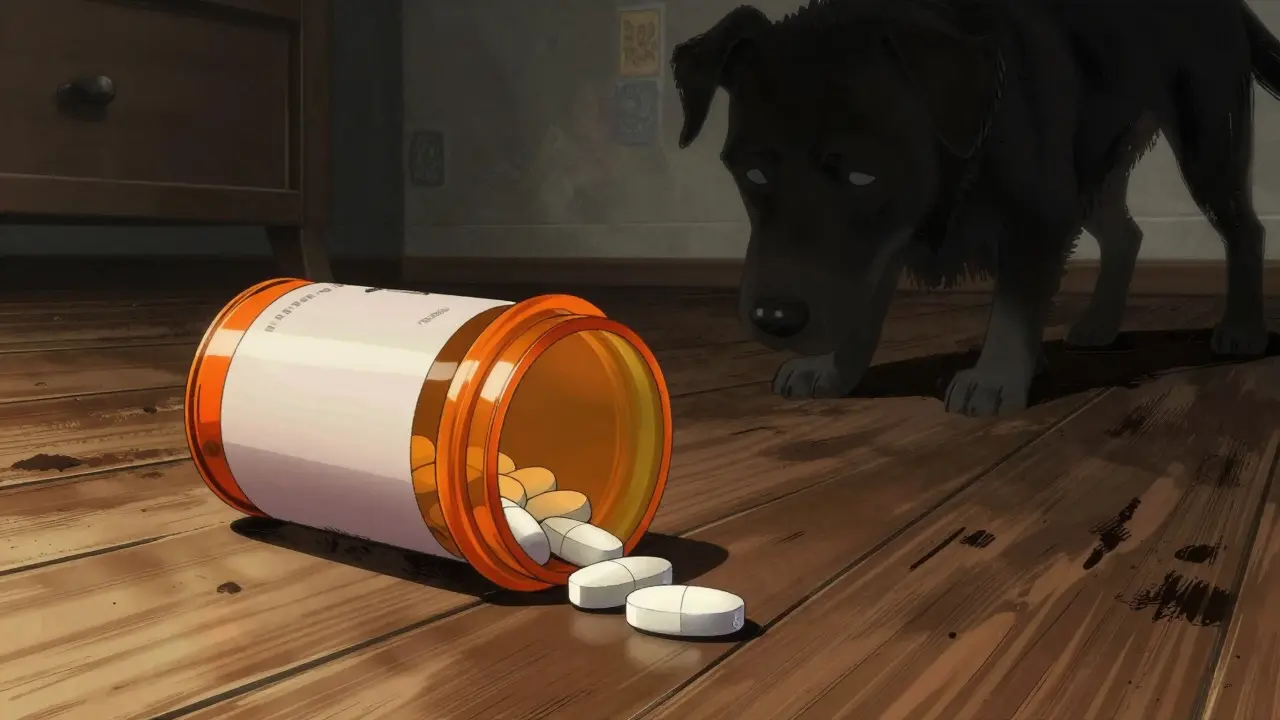
Imagine walking into your living room to find an empty prescription bottle on the floor and your dog looking a bit too "excited." In those few seconds, your heart sinks. You might wonder if they just found a crumb or if they've ingested something dangerous. The truth is that human medications account for nearly 28% of all pet poisonings, with over 150,000 cases reported annually in the U.S. alone. The scary part? In these emergencies, time isn't just money-it's life. Research shows that 93% of successful outcomes happen when treatment starts within two hours of ingestion.
Recognizing the signs of a pet medication overdose is the difference between a scary afternoon and a fatal tragedy. Because pets don't have the same metabolic pathways as humans, a pill that helps you sleep or manage pain can cause total organ failure in your cat or dog. Here is how to spot the red flags and act fast.
Quick Guide: Red Flags by Medication Type
Not all overdoses look the same. Depending on what your pet ate, they might act hyperactive, lethargic, or show physical changes in their skin and gums. To help you decide if you need to rush to the ER, here is a breakdown of the most common culprits.
| Medication Class | Primary Symptoms | Critical Warning Signs | Onset Time |
|---|---|---|---|
| NSAIDs (Ibuprofen) | Vomiting, lethargy | Black, tarry stools (melena) | 1-6 Hours |
| Antidepressants (SSRIs/SNRIs) | Tremors, disorientation | High fever, seizures | Minutes to 12 Hours |
| Stimulants (Adderall/Ritalin) | Extreme agitation, pacing | Heart rate >220 bpm, dilated pupils | 15-60 Minutes |
| Acetaminophen (Tylenol) | Difficulty breathing | Brown-tinged gums (Cats) | 1-4 Hours |
| Benzodiazepines (Xanax) | Sedation or agitation | Liver failure (Cats) | Varies |
The Danger of Behavioral Health Meds
Medications for depression and ADHD are particularly treacherous because the symptoms are often misinterpreted. For example, if your dog eats Adderall, they won't just be "hyper." They may experience severe tachycardia, with heart rates soaring above 220 beats per minute. Owners often mistake this for an anxiety attack or general excitement, but it is actually a medical crisis. Watch for fixed, dilated pupils and a body temperature that can spike to 107°F.
Then there are the SSRIs (Selective Serotonin Reuptake Inhibitors) like Prozac. These can trigger serotonin syndrome, a state where the brain is flooded with too much serotonin. Your pet might start vocalizing strangely, shaking, or acting disoriented. If you don't catch this early, about 78% of these cases progress to full-blown seizures.
Cats are even more vulnerable to certain antidepressants. Effexor (venlafaxine) is especially deadly for felines; just one extended-release capsule can be life-threatening. Because these pills often have a sweet coating, cats are more likely to eat an entire bottle, leading to disorientation and "wall-bumping" behavior.
Painkillers: The Silent Organ Killers
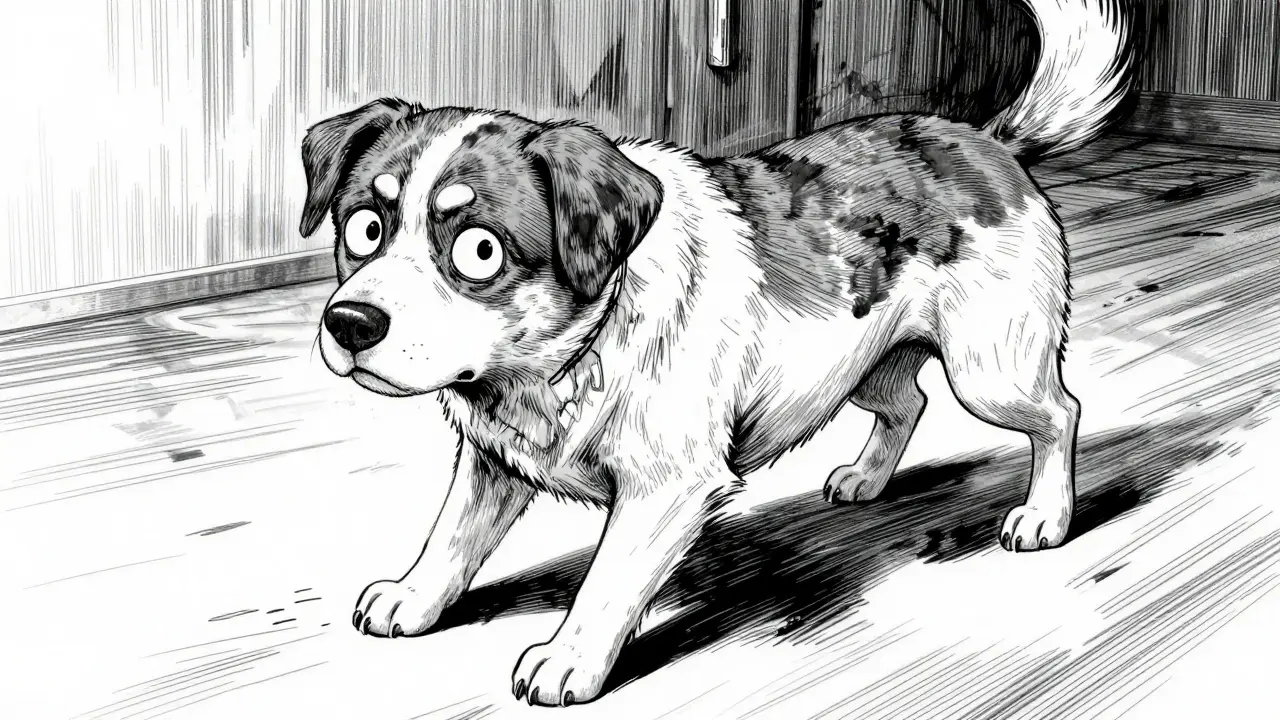
The most common cause of pet poisoning is NSAIDs (Nonsteroidal Anti-inflammatory Drugs), including ibuprofen. These drugs attack the stomach lining and the kidneys. If your dog has ingested these, look for the "classic triad": vomiting, black tarry stools, and deep lethargy. By the time you see black stools, acute kidney injury is likely already setting in.
Acetaminophen (Tylenol) is a different beast entirely. The danger depends on the species. Cats lack a specific enzyme called glucuronyl transferase, which means they can't break down the drug. This leads to methemoglobinemia, where the blood can't carry oxygen. The tell-tale sign? Their mucous membranes (gums and tongue) turn a distinct brownish color. In dogs, the risk is higher for liver necrosis, which usually manifests more slowly over 24 to 72 hours.
Why "Normal" Sedatives Can Be Weird
You might assume that if your pet eats a sedative like Xanax, they'll just sleep it off. However, in about 52% of dog cases, benzodiazepines cause a paradoxical reaction. Instead of getting sleepy, the dog becomes incredibly agitated and aggressive. This often confuses owners, who might think their pet is having a behavioral episode rather than a drug overdose.
For cats, these medications aren't just about behavior-they can be toxic to the liver. Some research shows that 37% of cats who ingest these drugs develop hepatic failure, with liver enzymes skyrocketing far beyond the normal range.
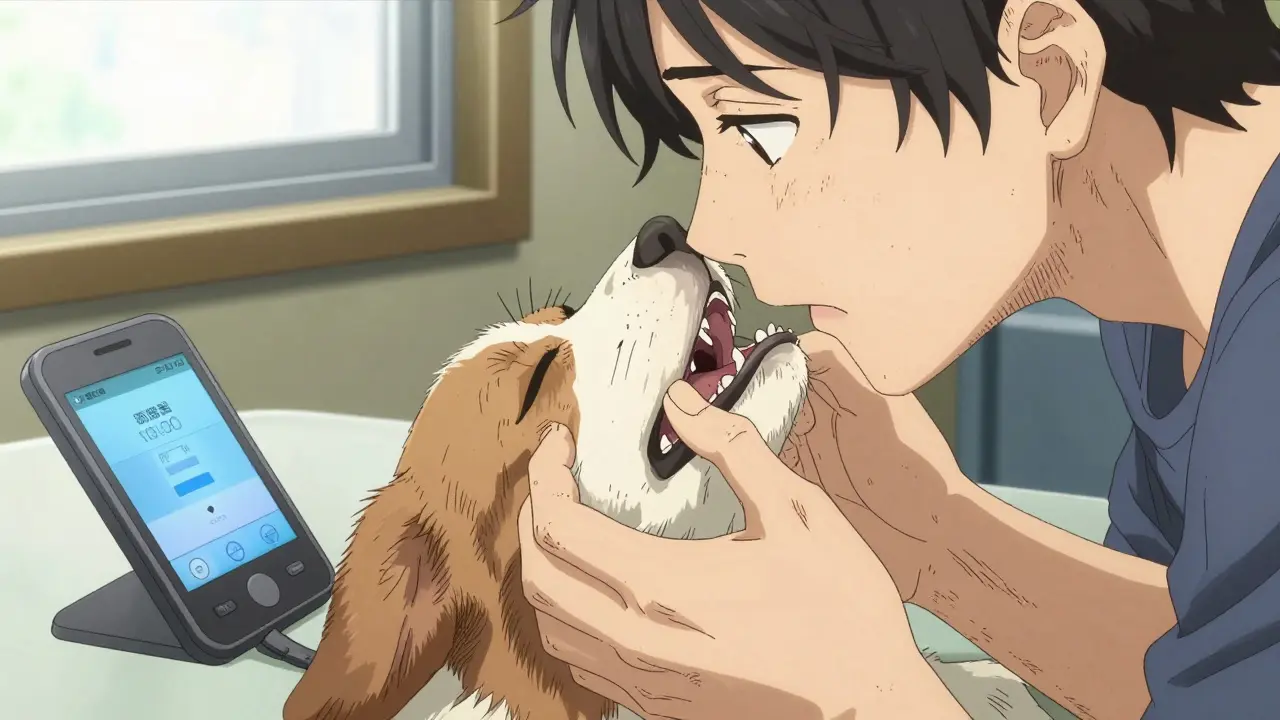
The 5-Minute Emergency Assessment
If you suspect your pet has eaten human medication, don't wait for "obvious" symptoms to appear. Use this quick systematic check to gather the info your vet will need:
- Search for Evidence: Look for pill fragments, chewed blister packs, or an open bottle. Note exactly which medication was taken and the dosage (mg).
- Check the Temperature: If you have a rectal thermometer, check for hyperthermia. A temp over 103.5°F in dogs is a massive red flag for stimulants or SSRIs.
- Inspect the Eyes: Look at the pupils. Are they wide open (dilated) regardless of the light? This is a strong indicator of ADHD medication toxicity.
- Check Gum Color: Lift the lip. If the gums look muddy or brown instead of bubblegum pink, this is a critical sign of acetaminophen poisoning in cats.
- Timeline the Onset: Note exactly when the pet had access to the drug and when the first weird behavior started. Most CNS-active drugs show symptoms within 4 hours.
Prevention and Immediate Action
The best way to handle a pet overdose is to ensure it never happens. Store all medications in locked cabinets or high shelves. Avoid the "nightstand trap," where pills are left out during your bedtime routine. If a spill occurs, don't try to induce vomiting at home unless specifically told to do so by a professional, as some substances can cause aspiration pneumonia or esophageal burns.
If you're in the middle of a crisis, call the Pet Poison Helpline or the ASPCA Animal Poison Control Center immediately. Having the medication bottle in your hand while you call will help the toxicologist give you a precise risk assessment and treatment plan.
Can I give my pet a human painkiller if they are in pain?
Absolutely not. Human painkillers like ibuprofen or acetaminophen are toxic to pets. Even a small dose can cause kidney failure or liver necrosis. Always use medications specifically formulated for animals by a veterinarian.
What is the first thing I should do if my dog eats my medication?
First, secure the remaining medication and the bottle to identify the exact drug and dose. Second, call your vet or an animal poison control center. Do not wait for symptoms to appear, as the most effective treatments must be administered within the first two hours.
Why do cats react so differently to Tylenol than dogs?
Cats lack the enzyme glucuronyl transferase, which the liver needs to process acetaminophen. This causes the drug to build up and destroy red blood cells, leading to a condition where the blood can't carry oxygen, often signaled by brown-tinted gums.
Are extended-release (XR) medications more dangerous?
Yes. Extended-release formulations are designed to leak the drug into the system over a longer period. This means the toxic effects last much longer, and traditional treatments like a single dose of activated charcoal may be less effective because the drug continues to be absorbed.
What are the most common signs of a stimulant overdose in pets?
The most common signs include extreme agitation, pacing, tremors, and a dangerously high heart rate (tachycardia). You will also often see dilated pupils and a spike in body temperature above 103.5°F.