

Every year, millions of Medicare beneficiaries get a call from their pharmacy or insurance plan offering a free Medicare Annual Medication Review. But many don’t know what it’s for - or how to get the most out of it. If you’re taking multiple medications, this review isn’t just a formality. It’s your best chance to catch dangerous drug interactions, cut unnecessary costs, and make sure every pill you take is still helping you.
What Exactly Is a Medicare Annual Medication Review?
This is officially called a Comprehensive Medication Review (CMR), and it’s required by law for all Medicare Part D plans. A licensed pharmacist sits down with you - in person or over video - to go over every single medication you’re using. That includes prescriptions, over-the-counter painkillers, herbal supplements, vitamins, and even eye drops or patches.
The goal? To make sure nothing’s conflicting, nothing’s duplicated, and nothing’s costing you more than it should. The pharmacist checks for things like:
- Two drugs that cause the same side effect (like dizziness or low blood pressure)
- Medicines that stop each other from working
- Drugs you no longer need but are still being refilled
- Costly alternatives that work just as well
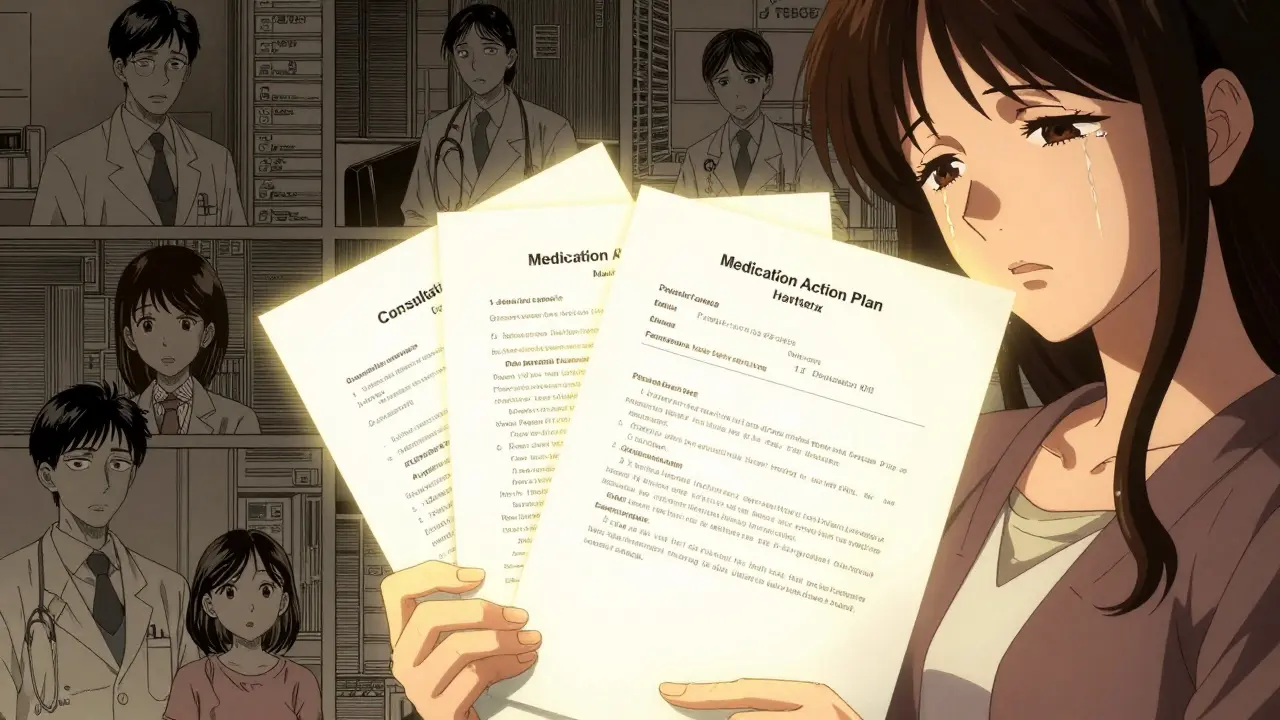
By law, you get a written summary after the review: a Consultation Letter, a Medication Action Plan, and a Personal Medication List. These aren’t just paperwork - they’re tools you can share with your doctor or take to the ER if something goes wrong.
Who Qualifies for This Review?
Not everyone gets automatically invited. To be eligible in 2026, you need to meet at least two of these three criteria:
- You have three or more chronic conditions - like diabetes, heart disease, COPD, high blood pressure, or arthritis
- You’re taking eight or more Part D-covered prescription drugs (this includes maintenance meds like statins, blood thinners, or insulin)
- You’ve spent $1,623 or more out-of-pocket on covered Part D drugs in the last year
There’s good news: CMS updated the rules in 2025 to make it easier to qualify. Now, if you have two serious chronic conditions and are spending over $1,623, you’re eligible too. That means more seniors - especially those on expensive medications - can get this life-saving review.
Even if you don’t meet the threshold, call your plan. Some insurers offer CMRs to others on a case-by-case basis. Don’t assume you’re not eligible - ask.
Why This Review Matters More Than You Think
Here’s the reality: most seniors take medications from multiple doctors. Your cardiologist prescribes one thing. Your rheumatologist prescribes another. Your primary care doctor adds a painkiller. Your dentist gives you an antibiotic. And you might be buying OTC sleep aids or joint supplements on your own.
Without a full picture, dangerous overlaps happen. A 2023 study from the Journal of the American Pharmacists Association found that one in three seniors on eight or more medications had at least one serious drug interaction that their doctors didn’t catch.
One woman in Dallas, 78, was taking a blood thinner and a common NSAID painkiller for arthritis. She had no idea they could cause internal bleeding. Her pharmacist caught it during the CMR and switched her to a safer alternative - saving her from a hospital stay.
Another man in Texas was paying $280 a month for a brand-name cholesterol drug. The pharmacist found a generic that worked just as well - for $12. He saved over $3,000 a year.
This isn’t theoretical. It’s happening every day.
How to Prepare: The 5-Step Checklist
Preparing for your CMR takes time - but it’s worth it. Studies show beneficiaries who come prepared are 78% more likely to have a successful review. Here’s how to do it right:
- Gather every medication you take - all of them. Bring the actual bottles. Don’t rely on memory. Include prescription drugs, OTC pills (like ibuprofen or antacids), vitamins, herbal supplements (like turmeric or ginkgo), and even topical creams or patches. If you don’t have the bottles, take clear photos of the labels with your phone.
- Write down your questions. What side effects have you noticed? Do you forget to take pills? Are any too expensive? Write them down. Don’t worry about sounding silly. The pharmacist has heard it all.
- Track your medication schedule. Note when you started each drug, any dose changes, and if you’ve ever skipped or stopped a medication because of cost or side effects. A simple list like: “Lisinopril - started 2022, dose increased in March 2024” helps the pharmacist spot patterns.
- Bring recent health info. Have you been hospitalized? Had new lab results? Started a new treatment? Bring copies of recent blood work, especially kidney or liver tests - they affect how your body processes drugs.
- Bring someone with you. A spouse, child, or friend can help remember what was said. You’ll be nervous. You’ll forget things. Having another set of ears makes a huge difference.
Most people spend 30 to 60 minutes preparing. That’s less than the time it takes to watch a TV show - but it could save you thousands and even your life.
What Happens During the Review?
The review lasts about 30 to 45 minutes. The pharmacist will:
- Verify every medication you listed against what’s in your pharmacy records
- Ask about how you take each one - do you crush pills? Skip doses? Use a pill organizer?
- Check for interactions between all your meds, including supplements
- Point out any duplicates - like taking both a brand-name and generic version of the same drug
- Discuss cost-saving options - switching to generics, using mail-order, or applying for patient assistance programs
- Answer your questions - no matter how small they seem
They won’t change your prescriptions. That’s your doctor’s job. But they’ll give you a clear, written plan with recommendations to share with your doctor.
What to Do After the Review
You’ll get three documents:
- Consultation Letter - a summary of what was discussed
- Medication Action Plan - a list of next steps, like “Talk to your doctor about stopping aspirin” or “Switch to generic metformin”
- Personal Medication List - an up-to-date, easy-to-read list of everything you take, with doses and times
Keep these in your wallet or phone. Show them to any new doctor, ER staff, or pharmacist. Update them every time you start or stop a medication.
Follow up. If the action plan says to talk to your doctor about a change, make that appointment within a week. Don’t let it sit.

Common Mistakes People Make
People who skip the review or show up unprepared miss out. Here’s what goes wrong:
- “I don’t need to bring my supplements.” - Wrong. Fish oil, garlic pills, and ginseng can interfere with blood thinners and blood pressure meds.
- “I know what I take.” - Most people forget 2-3 meds. Studies show even sharp seniors miss at least one.
- “I’ll just call if I have questions.” - You might forget the question. Write it down.
- “I don’t qualify.” - Call anyway. Eligibility rules changed in 2025. You might qualify now.
One woman in Florida skipped her CMR for two years. She was taking a blood thinner and a common cold medicine that caused dangerous bleeding. She ended up in the hospital. Her pharmacist told her later: “If you’d brought your meds to the review, we could’ve stopped this.”
What If You Don’t Get a Call?
If you think you qualify but haven’t been contacted, don’t wait. Call your Medicare Part D plan directly. Ask: “Am I eligible for a Comprehensive Medication Review?”
Plan sponsors have 60 days after you enroll to offer you a CMR. If you’ve been on the plan longer than that and haven’t been contacted, it’s their job to reach out. You’re entitled to it.
Some plans offer CMRs through phone calls, video chats, or even in-store appointments at your local pharmacy. Ask what options they have.
Final Thought: This Is Your Health - Own It
Medicare doesn’t manage your meds. Your doctors don’t always know everything you’re taking. The pharmacist is the one person trained to see the whole picture. The CMR is your free, legal right - and one of the most powerful tools you have to stay safe and healthy.
Don’t treat it like a chore. Treat it like your annual checkup - but for your pills. Show up prepared. Ask questions. Take notes. Bring someone. And don’t let anyone tell you it’s not for you.
Because when it comes to your health, the right pill at the right time isn’t just convenient - it’s life-changing.
Do I have to pay for a Medicare Annual Medication Review?
No, the Comprehensive Medication Review (CMR) is completely free for all eligible Medicare Part D beneficiaries. It’s a required benefit covered by your plan, with no copay or out-of-pocket cost. The pharmacy or plan is paid by Medicare to provide this service.
Can I do the review over the phone or online?
Yes. Medicare allows CMRs to be done in person, over the phone, or via video call (telehealth). Many plans now offer telehealth options for convenience. Just make sure you have your medication list ready and are in a quiet place where you can focus.
What if I don’t have all my pill bottles?
Take clear photos of each label with your phone - front and back, showing the name, dose, and instructions. You can also check your pharmacy’s online portal or app for a current list. But bringing actual bottles is best - it helps the pharmacist verify exact dosages and expiration dates.
Will the pharmacist change my prescriptions?
No, pharmacists can’t change your prescriptions. But they can recommend changes - like stopping a drug, switching to a generic, or adjusting the dose - and give you a written plan to take to your doctor. Your doctor will then decide whether to make the change.
How often should I get a medication review?
You’re entitled to one Comprehensive Medication Review per year. But you can also get quarterly Targeted Medication Reviews (TMRs) if your plan identifies a problem - like a new prescription that might interact with your current meds. Don’t wait for the annual review if something feels off - call your plan anytime.
What if I’m not eligible for a CMR?
Even if you don’t meet the official criteria, ask your pharmacist for a free medication check-up. Many pharmacies offer basic reviews to all customers. You can also schedule a Medication Therapy Management session with a clinical pharmacist - some community pharmacies offer these for free or low cost.
Can I bring my caregiver or family member?
Absolutely. In fact, it’s strongly recommended. A family member can help you remember questions, understand the advice, and follow up later. Many seniors say having someone with them made the review much more helpful and less overwhelming.
How do I know if the CMR actually helped me?
Look for changes: fewer side effects, lower bills, simpler pill routines, or fewer refill reminders. If your doctor made changes based on the plan, that’s a sign it worked. You should also feel more confident about your meds. If you’re still confused or worried, call your plan - you can request another review if needed.



steve rumsford
January 6, 2026 AT 14:34Christine Joy Chicano
January 7, 2026 AT 11:02Adam Gainski
January 8, 2026 AT 00:01Jessie Ann Lambrecht
January 8, 2026 AT 09:27Kyle King
January 10, 2026 AT 03:54Mina Murray
January 10, 2026 AT 18:37Poppy Newman
January 11, 2026 AT 06:05Paul Mason
January 12, 2026 AT 12:54Andrew N
January 12, 2026 AT 13:30Kamlesh Chauhan
January 14, 2026 AT 03:35Anastasia Novak
January 15, 2026 AT 03:57Vince Nairn
January 16, 2026 AT 21:58Elen Pihlap
January 17, 2026 AT 19:21