

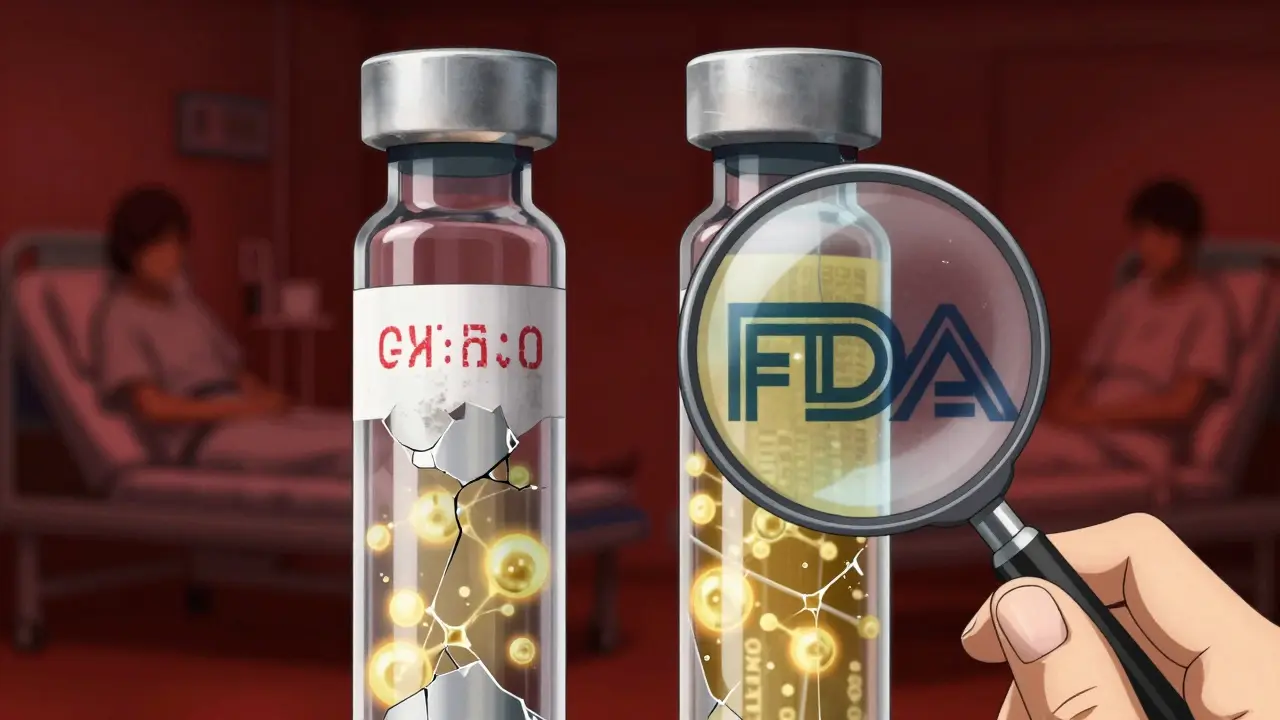
When a life-saving drug runs out, hospitals don’t just wait for more to arrive. In the U.S., the FDA has a quiet but powerful tool to keep critical medications in stock: extended use dates. This isn’t a loophole or a gamble-it’s a science-backed, regulated process that lets manufacturers and providers safely use drugs past their printed expiration dates when shortages hit. And right now, with over 340 drugs on the FDA’s shortage list, this tool is more important than ever.
Why expiration dates aren’t always the end of the story
Most people think expiration dates mean a drug becomes dangerous or useless after that day. That’s not true. Expiration dates are the last day the manufacturer guarantees full potency and safety under proper storage. But stability testing often shows these drugs remain effective for months-even years-beyond that date. The FDA doesn’t ignore this. When a shortage threatens patient care, they review real-world stability data and grant extensions for specific lots of drugs.Take propofol, used in anesthesia. In 2024, a major manufacturer had a production delay. The FDA reviewed stability data from the manufacturer, confirmed the drug was still stable, and extended the expiration date for multiple lots by up to 12 months. Same with epinephrine injections-vital for allergic reactions. When supplies dropped, the FDA allowed extensions so hospitals didn’t have to ration or delay treatment.
It’s not automatic. Only drugs deemed “critical” qualify. That means: no alternatives, high patient risk if unavailable, or used in emergencies. You won’t see extensions for vitamins or migraine pills. But for IV fluids, antibiotics, anesthetics, and emergency meds? Yes. The FDA’s Drug Shortages Staff prioritizes based on clinical need, not convenience.
How the FDA decides to extend expiration dates
The process is strict. Manufacturers must submit detailed stability data showing the drug hasn’t degraded. The FDA checks for:- Identity-does it still contain the right active ingredient?
- Strength-is the dosage still accurate?
- Quality-are there harmful breakdown products?
- Purity-is it free from contamination?
This isn’t a quick review. It can take weeks. But when the data supports it, the FDA approves the extension. Most extensions add one year. Some go further. In October 2024, the FDA allowed certain Baxter IV solutions to be used up to 24 months after manufacture due to a nationwide shortage. That’s double the original shelf life.
The FDA doesn’t require relabeling. If your hospital has a bottle of Meperidine hydrochloride with an original expiration of September 30, 2025, but it’s on the FDA’s approved list, you can use it until January 30, 2026-no new label needed. But you must check the lot number against the FDA’s official list. Extensions apply only to specific lots, not entire product lines.
What drugs get extended the most
Not all shortages are equal. The FDA’s data shows certain drugs appear on extension lists again and again:- Propofol injection - Most frequently extended. Used in surgeries and ICU sedation.
- Epinephrine injection - Critical for anaphylaxis. No substitutes exist.
- Dantrolene sodium - Treats malignant hyperthermia. Rare, but life-saving.
- IV fluids (NaCl, D5W) - Used in 90% of hospital admissions. Shortages here ripple across care.
- Ethiodized oil injection - Used in imaging. A small category, but essential for diagnosis.
These aren’t random. They’re drugs with no alternatives, high usage, and complex manufacturing. Many are made by one or two suppliers. When one plant has a quality issue, the whole country feels it. The FDA’s extension program buys time until production restarts or new suppliers come online.
How providers use extended-date drugs safely
Hospitals and pharmacies must track these extensions carefully. It’s not enough to know a drug is on the list. You need the exact lot number. A single lot of Dantrolene might be extended, while another lot from the same batch isn’t. Pharmacies use their inventory systems to flag these lots. Staff are trained to cross-reference the FDA’s daily-updated database before administering any drug past its printed date.There’s no room for error. Administering a drug that’s truly expired could be dangerous. But using a legitimately extended-date drug is safe-and often the only option. The American Hospital Association regularly sends alerts to members when new extensions are approved. Clinicians are told: “If the lot number matches the FDA’s list, use it. If not, don’t.”
Some facilities have created internal dashboards that auto-check lot numbers against the FDA’s public table. Others rely on pharmacy bulletins and weekly updates. Either way, it’s a system built on precision, not guesswork.
Where the program comes from
This wasn’t always allowed. Before 2012, manufacturers weren’t required to warn the FDA about upcoming shortages. That changed with the Food and Drug Administration Safety and Innovation Act (FDASIA). Now, if a company sees a production delay that could cause a shortage, they must notify the FDA early. That gives the agency time to act-like approving an expiration extension-before patients are at risk.The 2013 PAHPRA law gave the FDA even more power, especially for medical countermeasures like antivirals and antidotes stockpiled for bioterrorism. In July 2024, Tamiflu and Relenza had their expiration dates extended by 18 months after the HHS declared a public health need. This same logic applies to everyday drugs during crises.
The FDA doesn’t make these decisions lightly. They have a team dedicated to reviewing stability data, coordinating with manufacturers, and updating the public list daily. The goal isn’t to replace better manufacturing-it’s to bridge the gap until better manufacturing returns.
The bigger picture: Why shortages keep happening
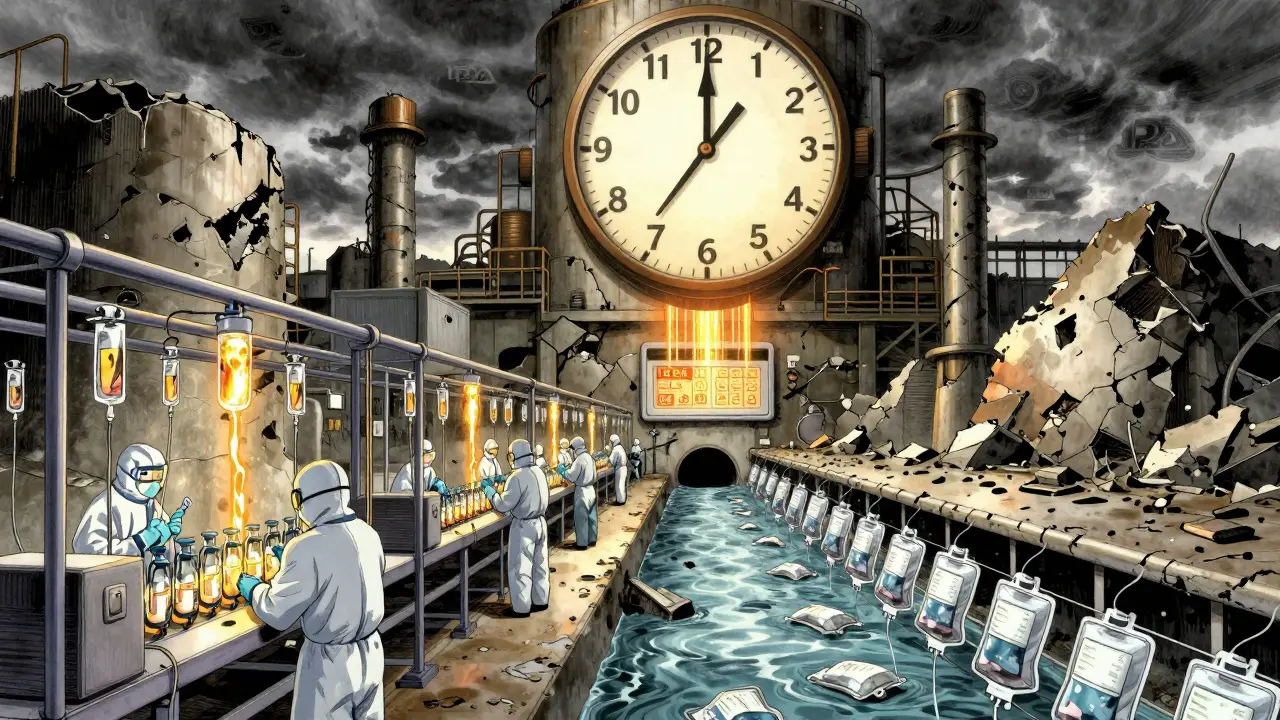
Extended dates help, but they don’t fix the root problem. Most shortages come from:- Single-source production (one factory makes 100% of a drug)
- Quality control failures
- Supply chain delays (raw materials from overseas)
- Low profit margins leading manufacturers to quit making certain drugs
For example, many IV solutions are made in just two plants. One plant shuts down for inspection, and suddenly hospitals are rationing fluids. The FDA can extend expiration dates, but it can’t build a new factory overnight.
That’s why the FDA also works on other solutions: speeding up inspections, helping new manufacturers enter the market, and encouraging diversification of suppliers. But until those changes take hold, expiration date extensions remain the fastest, safest way to keep patients from going without.
What’s next?
As of March 2026, the FDA continues to update its list daily. New extensions are approved monthly. Some shortages are resolving-like those tied to pandemic-era supply chain snarls. But new ones emerge: in late 2024, the FDA added empty IV bags to its medical device shortage list. Even the containers are in short supply.Extended use dates won’t disappear. They’re now a permanent part of the FDA’s toolkit. But they’re meant to be temporary. The agency expects hospitals to replace extended-date drugs as soon as new stock arrives. Proper disposal is required. This isn’t about stretching supplies forever-it’s about saving lives right now.
For patients, the message is simple: if your doctor says you’re getting a drug with an extended date, it’s not a compromise. It’s a science-backed safety net.
Are drugs with extended expiration dates safe to use?
Yes, if the lot number is on the FDA’s official extended use list. The FDA only approves extensions after reviewing rigorous stability data showing the drug maintains its identity, strength, quality, and purity. These aren’t guesswork extensions-they’re based on real lab testing. Hospitals are trained to verify each lot before use.
Do all drugs in shortage get extended expiration dates?
No. Only critical drugs qualify. The FDA looks at whether there are alternatives, how essential the drug is for life-saving care, and whether stability data supports an extension. For example, IV fluids and epinephrine often qualify. Over-the-counter pain relievers or non-essential meds rarely do.
How do I know if my hospital is using an extended-date drug?
You won’t always know unless you ask. The FDA doesn’t require relabeling, so the original expiration date stays on the bottle. But pharmacists and nurses check the lot number against the FDA’s public list before administration. If you’re concerned, ask your pharmacist: “Is this lot on the FDA’s extended use list?” They can verify it in seconds.
Can I use a drug past its printed date if it’s not on the FDA list?
No. Only the FDA-approved extensions are safe and legal to use. Using a drug past its printed date without FDA approval carries serious risk. The expiration date is based on manufacturer testing, and without FDA review, there’s no guarantee the drug is still effective or safe.
How long do these extensions usually last?
Most extensions add one year. Some go longer-up to 24 months-depending on the drug and the data. For example, during the 2024 IV solution shortage, the FDA allowed certain products to be used up to 24 months after manufacture. But each case is reviewed individually. The goal is always to cover the shortage until new supply arrives.


matthew runcie
March 20, 2026 AT 11:34Sandy Wells
March 20, 2026 AT 20:58Bryan Woody
March 22, 2026 AT 10:12Jackie Tucker
March 23, 2026 AT 06:28Johny Prayogi
March 24, 2026 AT 14:25Allison Priole
March 25, 2026 AT 02:09Casey Tenney
March 26, 2026 AT 12:09Chris Dwyer
March 28, 2026 AT 03:50Timothy Olcott
March 29, 2026 AT 14:56